

Behind
the
craft

10 Questions With Vika Vinnikova
In this Behind the Craft series our Sound Designers answer 10 questions to reveal the craft that goes into recording, designing and mixing sound for brands.
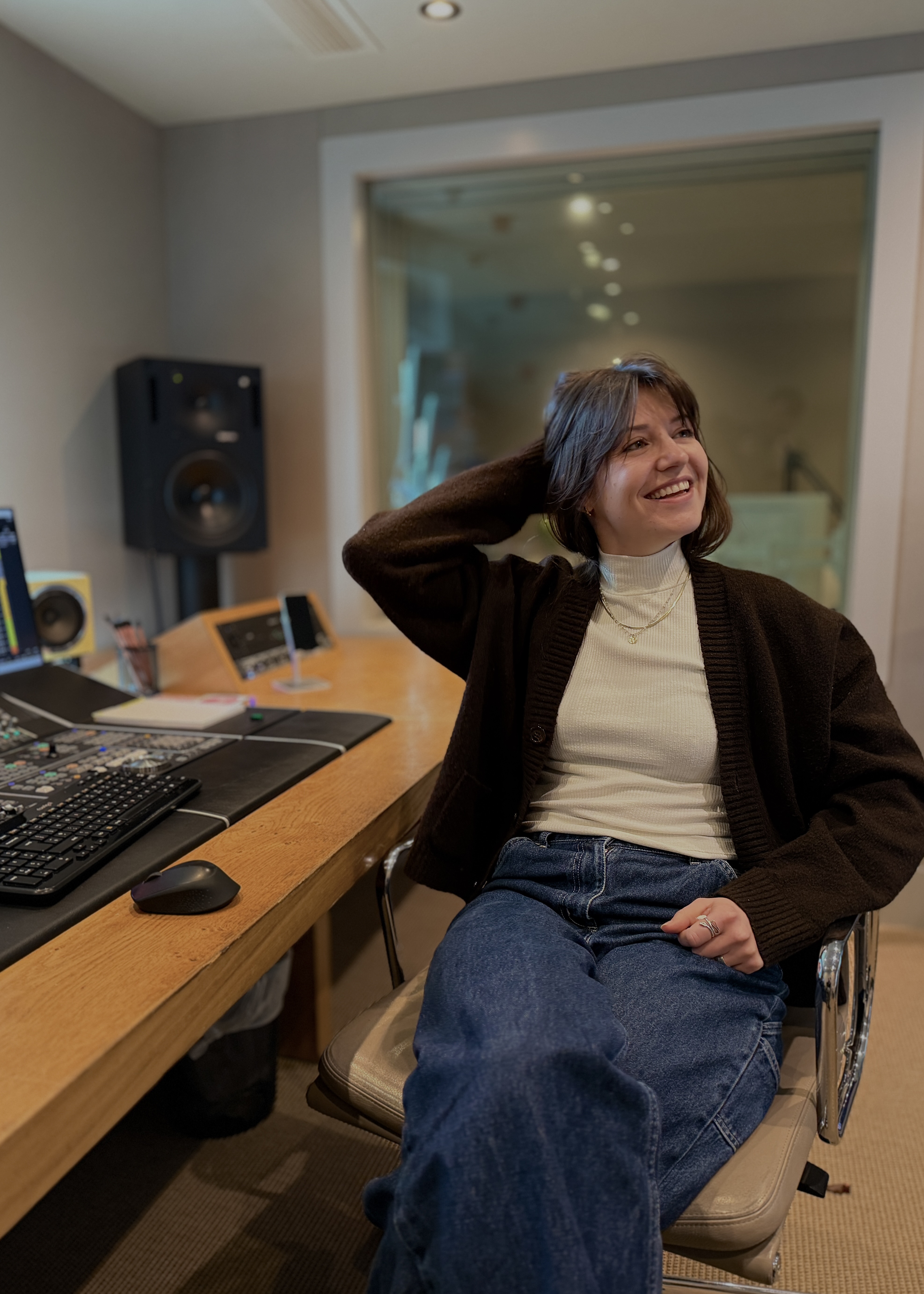
Here Vika answers the questions about her award winning work with TBWA\MCR for The Menstrual Health Project.
Q1. What was the initial brief for the ad?
It was a very quick turnaround, the whole project was completed in about two weeks and when it came to sound, there were some very useful pointers layered by the editor. Director, Zeynep Oguz, was very clear from the beginning that sound needed to push the limits of what you see on the screen: from creature sounds and impacts to tearing, ripping and slimy textures.
Q2. What story needed to be told other than what is being shown visually?
The team has created this beautiful horror trailer that unapologetically spilled the truth about the pain of endometriosis being not just a halloween horror story but an everyday horror show for a lot of women.
Sonically, horror often relies on uncomfortable, subconscious cues: low drones, unsettling textures, and visceral flesh-like sounds that make the audience uneasy. While visually we see jump scares, shadow creatures, and the pumpkin as the central symbol; the sound needed to build tense atmospheres that escalate toward each hit. Sound layers were gradually added throughout the spot, pushing intensity and loudness to grab attention and mirror the constant, inescapable nature of the pain being portrayed.
Q3. Walk us through your process.
I always begin by mixing the sound that’s already included in the edit. This helps me fully familiarise myself with the film, identify where sound is missing or needs support, and start thinking creatively about what could elevate the story.
From there, I move into recording as much bespoke foley sound as possible to give the spot its own character. In this case it was pumpkins, and additional elements like peppers, celery sticks, lettuce and ripping an old dress. Once the foley was in place, I built out a wider sonic palette using our sound library to complete and refine the sound design.
Q4. What were the key sounds intended to shape how the audience feels?
The flesh-like sounds of pumpkin pulp were key to reinforcing the idea of pain. On their own they were effective, but they needed to be layered with additional textures and impacts to really cut through during key moments and make those sensations feel unavoidable.

Q5. How did you approach these key moments?
Foley was always going to be the main driver of the sound palette. I started by recording the pumpkin, effectively the main character of the spot, focusing on capturing slimy, wet, uncomfortable textures, as well as tearing and ripping sounds. I really pushed the material, breaking it apart to exaggerate those visceral qualities.
Then I recorded additional elements: ripping peppers, celery, cabbage and tearing an old dress. It was definitely a fun and messy session but one that gave me a strong, organic foundation to build the rest of the soundscape around.
Q6. Were there other moments where you used exaggerated or stylised sound design to heighten the sensory experience?
Yes. Once all the recorded foley was edited and placed, I began layering in more traditional horror trailer elements from the sound library – low rumbles, eerie atmospheres, bone breaks, stabs, risers, and stuttered impacts.
These sounds helped amplify the disturbing, stylised nature of the spot and pushed it firmly into the horror genre while still serving the message.
In addition, I have recorded and processed some vocal effects such as breaths and whispers (at 00:26 and 00:34) that worked well with music and overall sonic landscape of horror.
Q7. Where was sound used to guide attention and aid storytelling and what role did silence or negative space play in your mix?
Sound was used very deliberately to guide the viewer’s attention, particularly through risers and stuttered elements that build tension before each title hit. These layers gradually increase in density and intensity, creating anticipation and directing focus toward key moments.
Negative space was just as important. The unsettling soundtrack was kept deliberately low in the mix at times, allowing sudden stabs, rips, and tear sounds to feel more shocking when they landed. Toward the end, as the pumpkin turns, the sound design becomes minimal, creating a sense of false resolution before the final, startling sounds hit.
Q8. What role did music have to play?
The music played a crucial role in maintaining a constant sense of unease throughout the spot. Rather than functioning as a traditional score, it acted as an unnerving soundscape that sat just beneath the sound design.
Composer Mathilde Koechlin used Moog synthesis to layer deep, bass-heavy tones with high, dissonant string textures, creating a feeling of tension and discomfort. In addition to the instrumental elements, she incorporated rhythmic sound design elements such as heartbeat-like pulses and mouth noises, which blurred the line between music and sound design and reinforced the physical, bodily themes of the film.
Q9. Which sound in the mix was the hardest to get right and why?
The most challenging part of the mix was ensuring that every hit and impact cut through clearly, even when voiceover was present, particularly during the main titles (“Pelvis, Bladder, Bowl, Lungs”). Balancing clarity, impact, and intelligibility was key, making sure the sound design enhanced those words without overpowering them.
Q10. What do you hope people notice or feel when they experience the sound design in this project?
I hope the sound design helps communicate the very real pain experienced by women living with endometriosis. My aim was for the sound to work in complete symbiosis with the visuals, leaving a lasting impression and helping to raise awareness of a health condition that is still widely overlooked.
The Menstrual Health Project is an incredible UK charity founded by Anna Cooper and Gabriella Pearson, both endometriosis sufferers. I hope that anyone who connects with this spot, whether they need support or want to offer it, is encouraged to reach out to this amazing organisation.
Final mix


