

Behind
the
craft
10 Questions With Ed De lacy
In this Behind the Craft series our Sound Designers answer 10 questions to reveal the craft that goes into recording, designing and mixing sound for brands.
This time around Ed de Lacy faces the questions about his recent work for Reebok's The Giveback campaign.
Q1. What was the initial brief for the ad?
The brief from my guy, the phenomenal Director on this project, Otis Dominique, was clear and direct. Lock into the style of the films and make them sound as sick as possible within that style. We discussed the influences behind the creative - Guy RItchie, London mobster movies, heist films. All of these inspirations I then referenced at length to freshen up on how they sounded. The job was then to recreate most of the sound from the ground up (99% of what you hear that isn’t dialogue in these films has been recorded, crafted and added by myself). Make it sound like a movie.
Q2. What story needed to be told other than what is being shown visually?
For me the message is clear. This is a homage. A homage to the era that gave birth to some iconic Reebok footwear, and a homage to some of the most iconic films and music of that era. So, I leaned into the soundtrack which was the key to giving that nostalgic feeling. In these films the music is either throwback or it’s music by our protagonist, the critically acclaimed K-Trap. In addition, as much of the sound design is timed to the music as possible - to give energy, forward movement and make everything feel alive.
Q3. Walk us through your process.
The sound here is a huge factor in pushing the narrative. Bringing every detail to life and getting just the right balance of music, atmospheric sound and spot fx is what keeps the pace of the heist moving. The whole story needed urgency and a sense of playfulness so there were many days of experimenting and trial and error to make sure all the sound design was in exactly the right place to give the films a sense of energy and forward momentum.
Q4. What were the key sounds intended to shape how the audience feels?
The key sounds in the films are bizarrely the silliest and most simple. The ridiculous, up front and very cartoonish ‘swish’ whoosh sounds on some of the head movements and whip pans are a very deliberate tool to make sure we know that this is a big head-nod to a certain style of film making (see the many quick-cut scenes in Guy Ritchie films (which in turn are a homage to 70s kung-fu films)). They perhaps also serve the purpose of telling the audience that we shouldn’t be taking any of this too seriously. I usually run a mile from using any obvious ‘whoosh’ sounds but in these films it was entirely appropriate and necessary.
Q5. How did you approach these key moments?
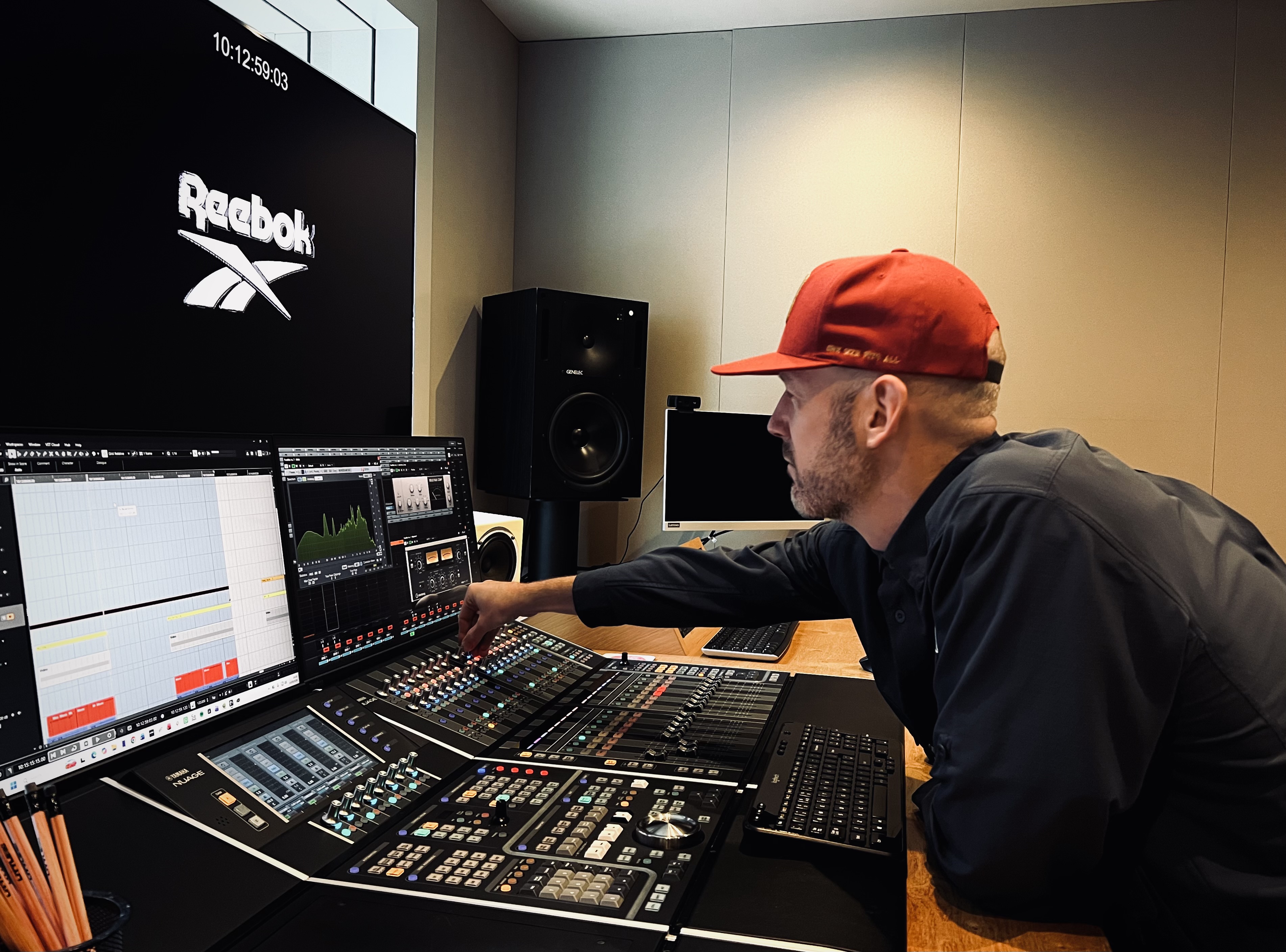
I think it is important to approach each stage of the audio process with patience and diligence. I try to fully tackle each stage until I’m completely happy with where I’ve got it - knowing that things will undoubtedly change further down the line but also that you’ve given yourself the best foundation to work on and design the rest of the soundscape on top.
In terms of how I approach each individual moment, when I’m thinking about recording or manipulating a sound to bring a specific action to life, I always ask myself “is the source sound I’ve got the best it can be?”. I try not to settle for less than almost perfect because it can get very long trying to work a sound that’s not quite right to picture. But if you’ve already got source material that’s 99% there you’ve given yourself a massive headstart.
Q6. How was sound used to aid the storytelling?
The sound here is a huge factor in pushing the narrative. Bringing every detail to life and getting just the right balance of music, atmospheric sound and spot fx is what keeps the pace of the heist moving. The whole story needed urgency and a sense of playfulness so there were many days of experimenting and trial and error to make sure all the sound design was in exactly the right place to give the films a sense of energy and forward momentum.

Q7. What role did music have to play?
While I was given licence to make the sound design upfront and in your face in the mix, I also tried to do the same with the music. The music, in many ways, is as important as what we’re seeing in these films.
Reebok has a huge part of its heritage firmly rooted in the sound of the 1990s when UK garage and jungle were popping off and everyone in the rave was wearing Classics. So the music here was integral to creating that feeling of harking back to a golden age of the UK underground scene. I also wrote one of the cues that you can hear in Part 3 and it was an absolute pleasure to make some UKG, an area of production and composing I feel very at home with.
Q9. Was there a role of silence or negative space in your mix?
There are a few moments in the films where I employed silence to deliver some humour. This is one of the best tricks in the box as it snaps the audience out of the moment briefly. When you slam the full mix back in afterwards it then has added impact. My favourite example of this in these films is the boxes falling over in the van in Part 1. I recorded the boxes, added some weight using EQ and a couple of additional samples and then of course made them sound like they were in the back of that specific vehicle. I conveniently had the exact reverb impulse response of that exact model of van as it goes!
Q10. What sound was the hardest to get right and why?
The hardest sound to nail was actually the van’s engine. We didn’t have enough recordings of the exact vehicle from the shoot, and we couldn’t gain access to another one to record after the event, so I spent ages trying out so many types of engine from our extensive library. It needed enough variants to include continuous driving, revving and slowing down. Otis wanted it to sound like a complete clapped out banger but also be really throaty and of the time. We got there in the end!
Final mix


